I felt a strange dissonance at TWT. We say "we only use natural ingredients." But then I'd go to our factory and see giant Transformers-looking blenders. Or I'd look at visuals from suppliers and find shiny steel tanks and networked pipelines.
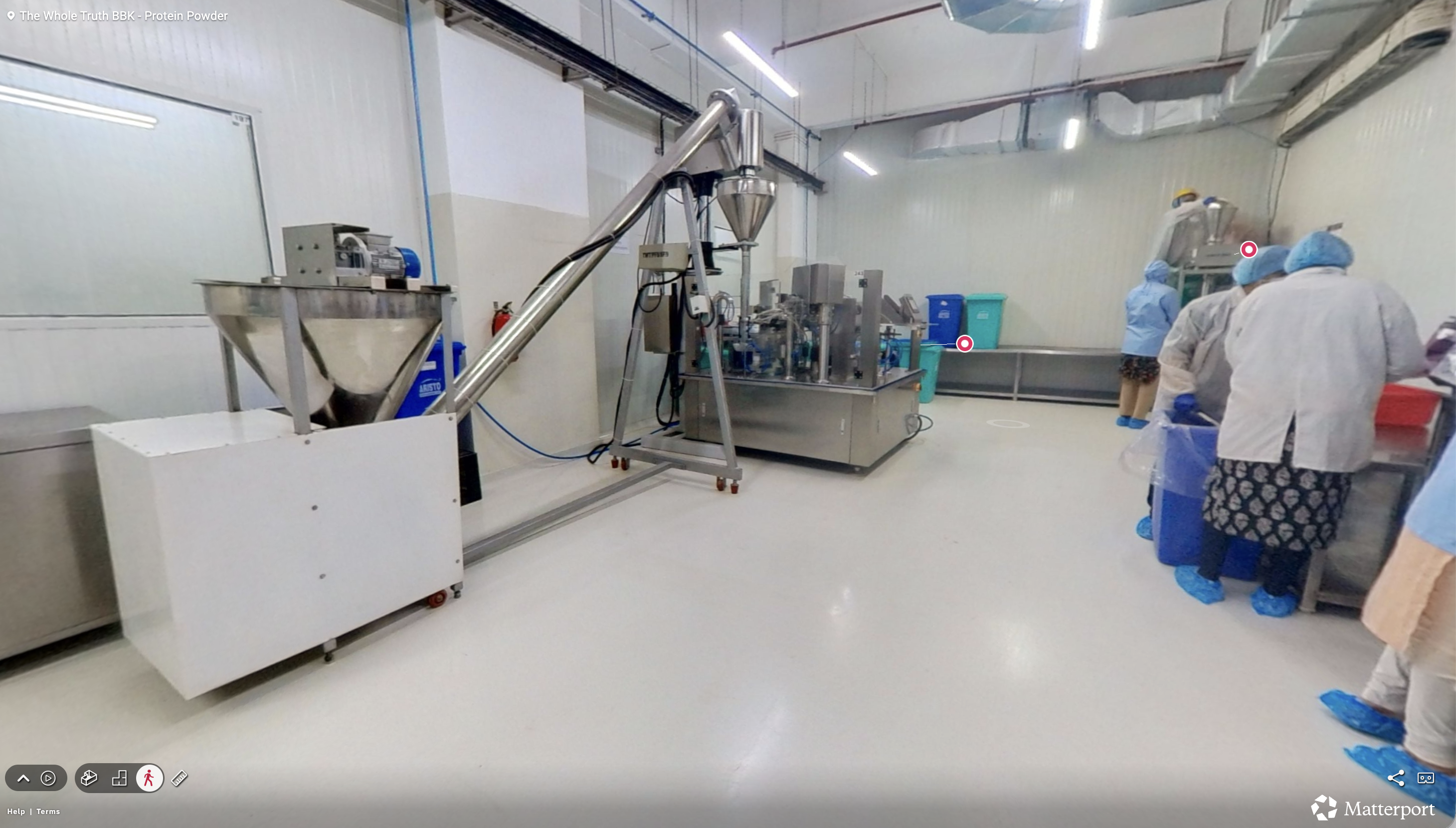
The aesthetics didn’t match what I imagined good food should look like. But when we finally named that we are really doing is “Scaling Artisanal Food,” it all came together. Look at three examples.
First, spray dryers. A lot of packaged food powders are spray-dried. Whey. Milk powder. Instant coffee. Some spice extracts. Look at a setup, and you will see large steel chambers with nozzles and hot air systems. But what's happening inside is actually just… dehydration. It's accelerated evaporation - which starts with liquid, converts into tiny droplets, which, when blasted with hot air, evaporate almost instantly, and gives you dry powder. Something you can do in your kitchen oven at low heat, like when you’re dehydrating strawberries.
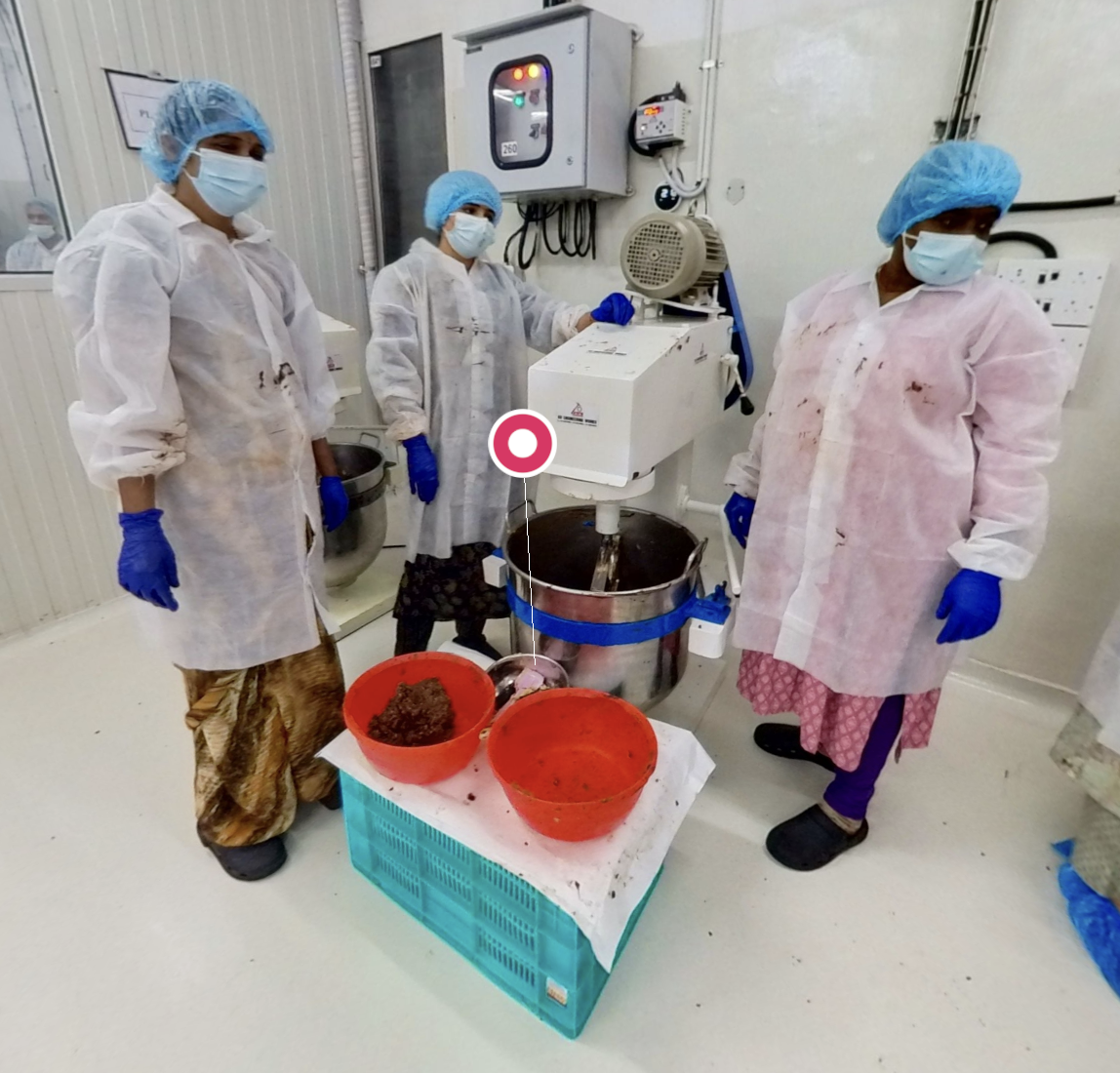
Second, planetary mixers. These are used in the dough-making process of our bar. They're called "planetary" because the mixing attachment rotates around the bowl while also spinning on its own axis, like planets orbiting the sun. It's literally mimicking what you do when you scrape the sides of a bowl while stirring. That's it. Just bigger and with more power.
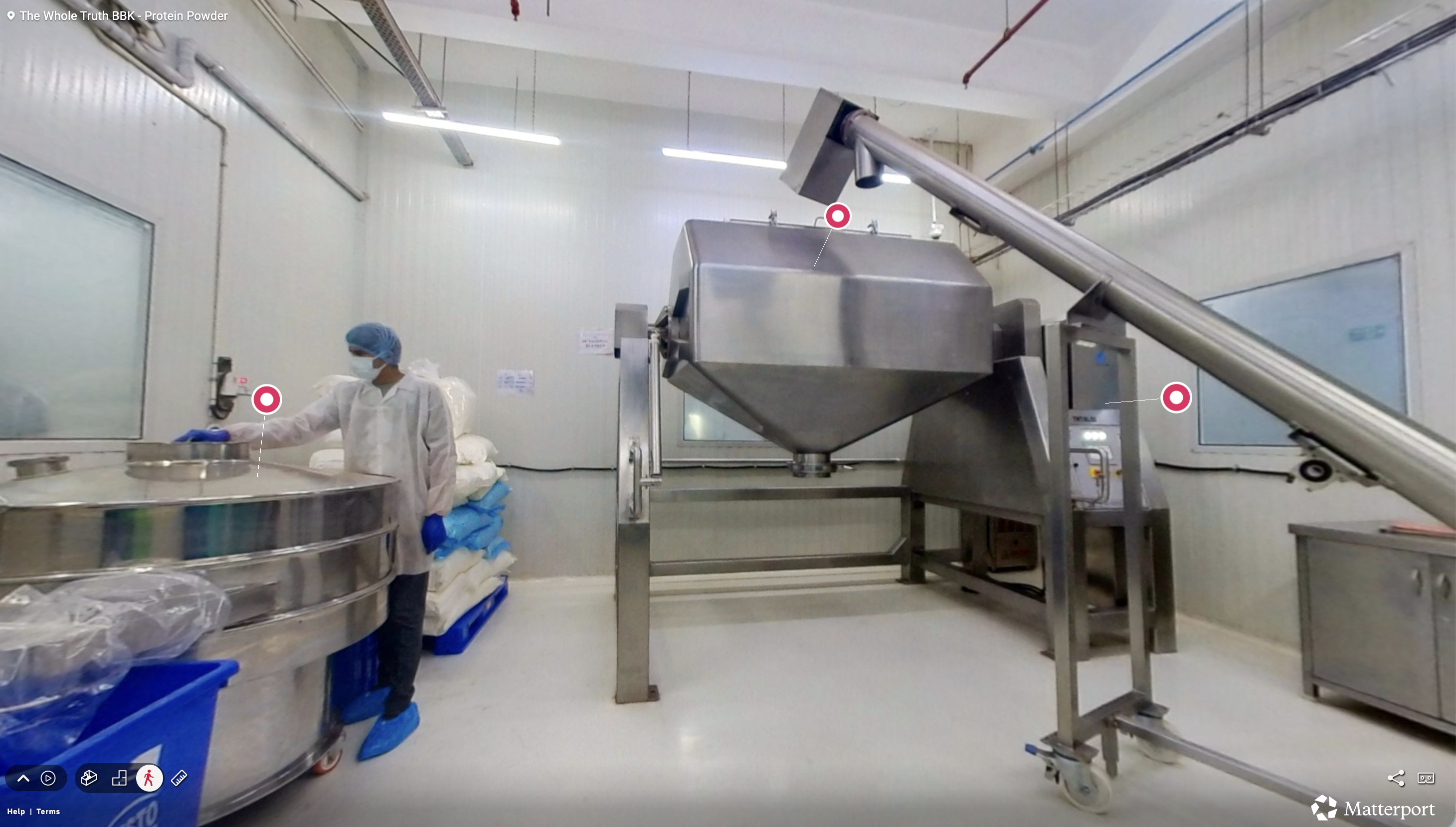
Third, octagonal blenders. These are used to mix powders at our facility. They're big, and they keep rotating continuously. Now mixing powders is trickier than it looks: different ingredients (think cocoa powder and whey) have different particle sizes and different densities, and these ingredients naturally want to separate. So when you're mixing large quantities, you need precision to ensure each spoon has the exact same proportion as your recipe. These machines are designed based on how powders behave to get that right. But the core principle is the same as shaking a jar of spices to mix them.
What’s happening everywhere is simply physical transformation (and no new molecular engineering).
So what we really mean by "Scaling Artisanal" is ensuring integrity of the process at every step: knowing what goes in, controlling for quality, and never hiding what's added. That's the point. So we can make good food for millions, not just ten.
And in all of this complexity, the problem is... ugh... opacity.
Yes, spray drying accelerates evaporation. But carriers are often used in this process, and much of it isn't declared. So that "strawberry powder" is actually 50% strawberry and 50% maltodextrin. Or while mixing powders in the blender, adding artificial preservatives to extend shelf life. Or in the planetary mixer, shifting to lower-quality cocoa to optimise margins.
So yes, we're setting up factories. But we're using them to scale artisanal food. And because our whole promise is a revolt against opacity, we find what's broken, fix it, and tell you the whole truth.
PS: Last year, I worked with the team to make a 3D map of TWT manufacturing facility and shared it in public. If you are curious, go see how we make bars and protein powder.